

By Damilola Amoo
As the world marks the International Day of Zero Tolerance for Female Genital Mutilation (FGM), the conversation must move beyond awareness to sustainability. The fight against FGM is being won or lost at the community level, and recent developments in Oyo State show that when local systems work, change becomes possible.
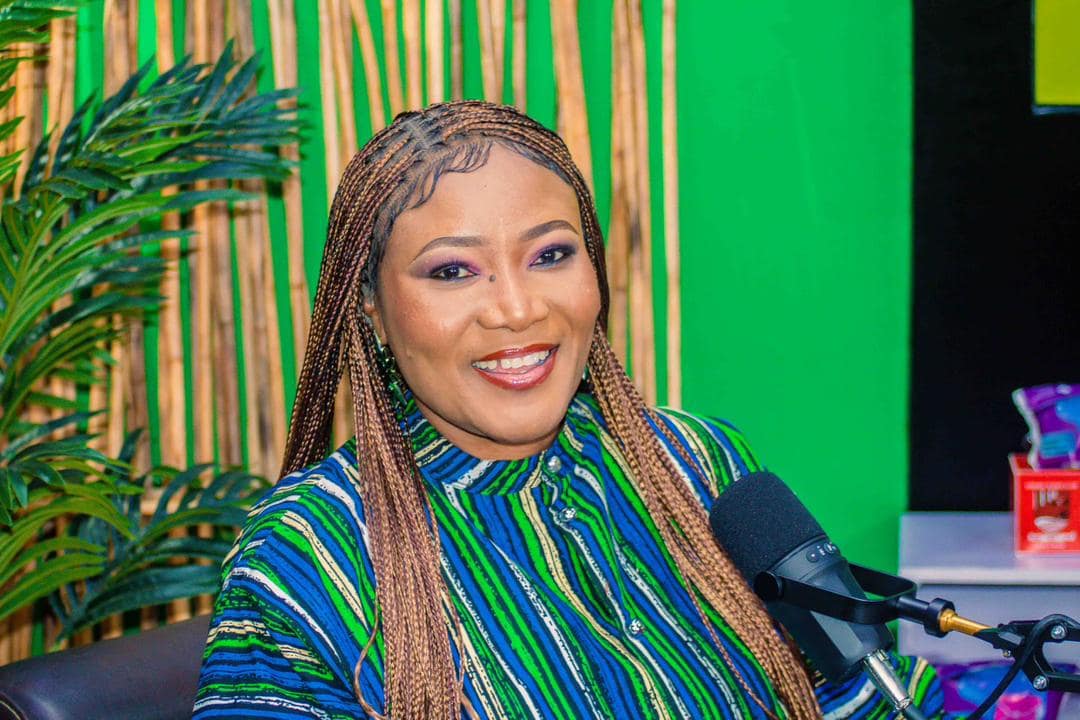
During Eve’s Lounge radio programme on Crest 91.1 FM, Ibadan, Mrs. Olawoyin Oluwakemi, State Gender Desk Officer at the Oyo State Primary Healthcare Board, shared an encouraging milestone: over 200 public declarations to end FGM have been recorded across the state. These are not just statistics — they are powerful indicators of shifting social norms and growing community accountability. Each declaration represents families and leaders choosing dignity, health, and protection for girls.
Education is also emerging as a critical driver of long-term change. The inclusion of FGM as a course of study at the Oyo College of Science and Technology is a strategic intervention that deserves recognition. By embedding this issue into academic and professional learning spaces, we are equipping future practitioners and decision-makers with the knowledge and values needed to dismantle harmful practices and meet the 2030 eradication target.
Yet, progress cannot be sustained on goodwill alone. This year’s global theme rightly underscores a hard truth: ending FGM requires consistent and deliberate investment. Policies, education, and community engagement demand funding — reliable, long-term funding that prioritises prevention and survivor-centered responses.
At Eve’s Lounge, we have consistently advocated for increased local financing. During our Annual Live Convening last year, we stressed the importance of domestic resource mobilisation to sustain advocacy and community-led action. While international funding plays a role, overdependence on it leaves critical interventions vulnerable.
The sudden freeze of U.S. aid announced last year highlighted this risk. It was a wake-up call that reinforced the urgency for governments, private sector actors, philanthropies, community leaders, and brands to invest directly in grassroots efforts. Protecting women and girls is not only a moral obligation; it is a social and economic necessity.
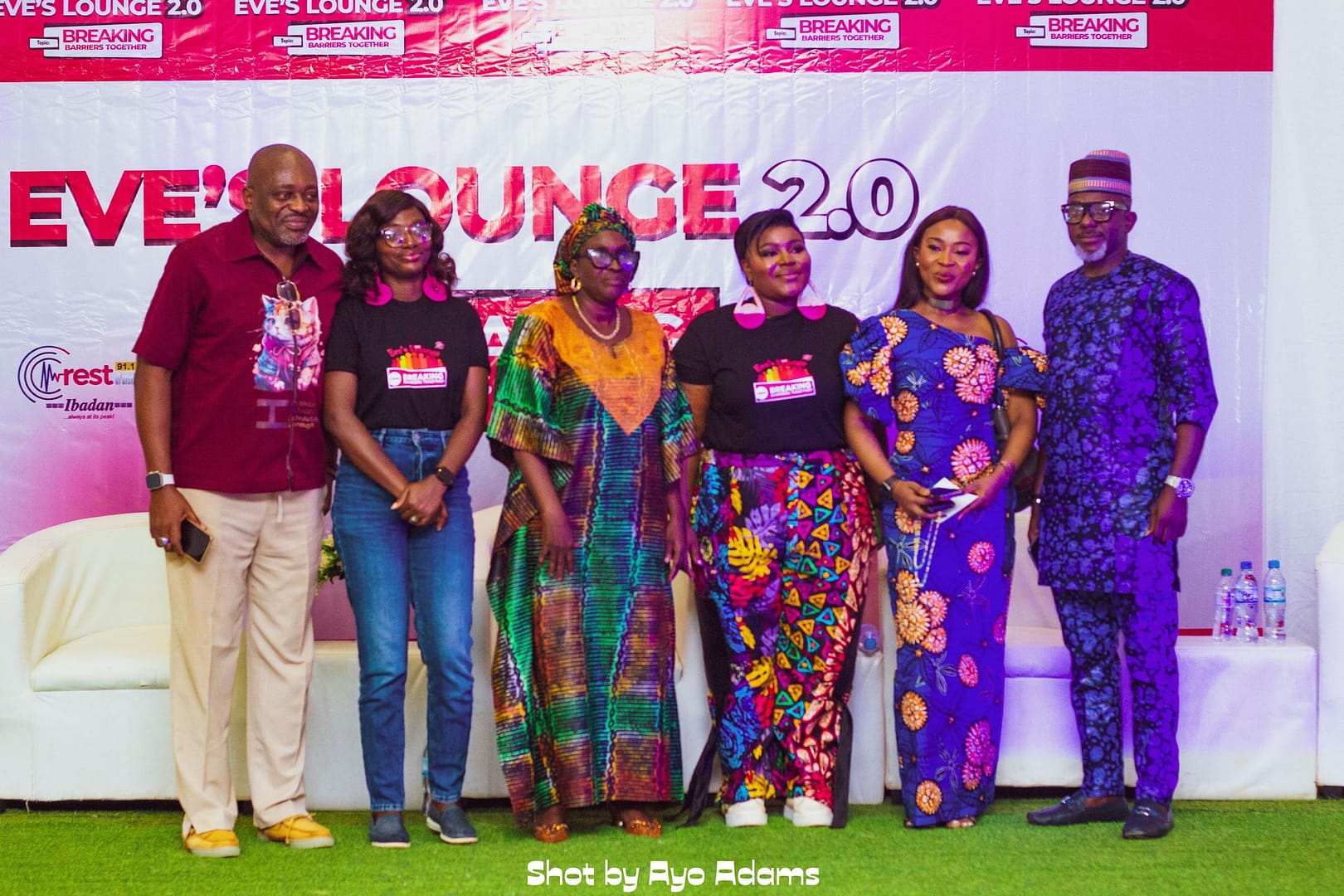
This commitment is reflected in Eve’s Lounge 2.0, where one of our sub-themes aligned closely with the priorities of the 16 Days of Activism Against Gender-Based Violence 2025. Our work continues to focus on strengthening the ecosystem that supports women and girls — from policy conversations to community action.
As we observe this year’s International Zero Tolerance Day, we do so with cautious optimism and renewed resolve. Looking ahead to Eve’s Lounge 3.0, our mission remains clear: to convene, challenge, and catalyse sustainable solutions that ensure every girl grows up free from harm.
Ending FGM is possible — but only if we are willing to invest where change truly begins.
Damilola Amoo is the Convener of Eve’s Lounge